Physical Security Meets Cyber: Why Cannabis Operations Need Converged Protection in 2026
The $500,000 Lesson
Last month, a licensed dispensary in Colorado lost half a million dollars in a single night. Not from an armed robbery—from a cyberattack that exploited their security cameras.
Attackers compromised the dispensary’s IP-based surveillance system through an unpatched vulnerability, disabled motion alerts, looped camera feeds to show empty rooms, then walked in through a side entrance while the security team watched pre-recorded footage showing everything was fine.
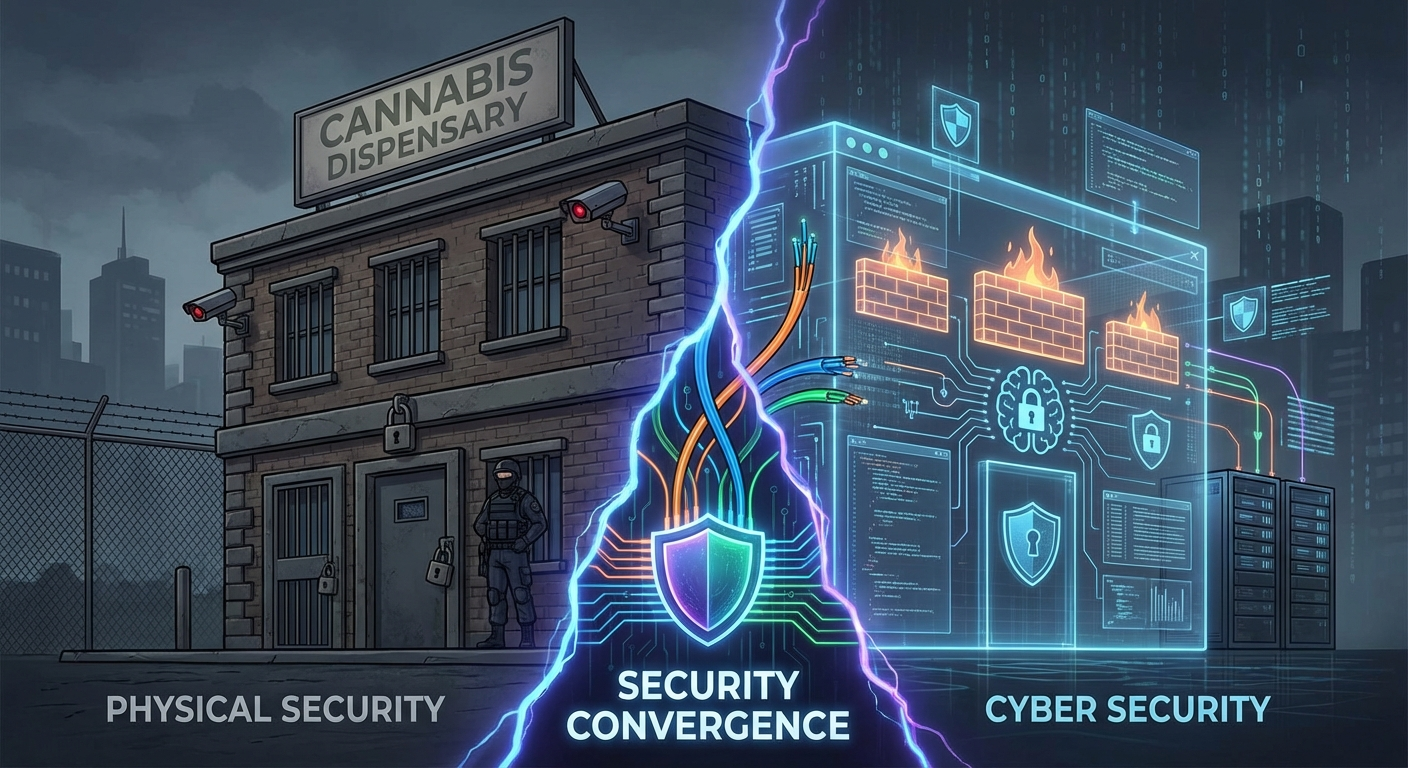
The physical security systems meant to protect the business became the entry point for criminals. It’s the perfect example of why converged security—integrating physical and cyber protection—is no longer optional for cannabis operations.
What Is Security Convergence?
Security convergence means treating physical security and cybersecurity as a unified discipline rather than separate silos. In practice, this means:
- Your surveillance cameras are also IT assets requiring patches and network segmentation
- Your access control systems are potential attack vectors
- Your HVAC and environmental monitoring systems connect to your network
- Your seed-to-sale tracking system contains data that needs both physical and digital protection
For cannabis businesses operating under intense regulatory scrutiny, the convergence imperative is even stronger. A breach of either physical or digital security can mean license revocation.
The Cannabis-Specific Risk Landscape
High-Value Targets
Cannabis facilities face unique threats that demand converged thinking:
Cash-Heavy Operations: Despite banking reforms, many dispensaries still handle significant cash. Physical security (safes, armed transport) must integrate with digital monitoring (POS systems, transaction logging).
Valuable Inventory: Product theft isn’t just financial loss—it’s a compliance catastrophe. Track-and-trace systems bridge physical (where is the product?) and digital (is the data accurate?).
Regulatory Data: Seed-to-sale records, customer data, and compliance documentation are attractive targets for competitors, organized crime, and even nation-state actors looking to disrupt legal markets.
The IoT Explosion
Modern cultivation and retail operations depend on connected devices:
| System | Physical Function | Cyber Attack Surface |
|---|---|---|
| HVAC/Climate Control | Maintain grow conditions | Network-connected, often legacy protocols |
| Irrigation/Fertigation | Automated watering/feeding | API vulnerabilities, supply chain risks |
| Surveillance Cameras | Monitor premises | IP-based, firmware vulnerabilities |
| Access Control | Restrict entry | Badge cloning, network attacks |
| POS Systems | Process transactions | Malware, skimming, data theft |
| Seed-to-Sale | Track inventory | Integration vulnerabilities, data manipulation |
Each connected device is a potential entry point for attackers—and a potential tool for physical compromise.
Real-World Convergence Failures
The Camera Compromise
Beyond the Colorado example, IP camera compromises are epidemic:
- Default credentials: Many cameras ship with admin/admin or similar defaults that operators never change
- Firmware vulnerabilities: Manufacturers release patches; operators don’t apply them
- Network exposure: Cameras on the same network as business systems allow lateral movement
- Cloud dependencies: Camera footage stored with third-party providers introduces supply chain risk
The Access Control Attack
A California cultivation facility discovered their electronic access control system had been compromised for months. Attackers had:
- Exploited a vulnerability in the access control software
- Created ghost badges that logged as legitimate employees
- Used those badges to access restricted areas after hours
- Exfiltrated product valued at $200,000+ over time
Physical logs showed authorized access. Digital forensics revealed the truth.
The HVAC Hack
An indoor grow operation lost an entire harvest when attackers compromised their climate control system. By manipulating temperature and humidity settings overnight, they triggered conditions that destroyed plants—but didn’t trigger alarms because the readings were technically within “acceptable” ranges (just barely).
The attack was attributed to a competitor. The entry point? An unpatched vulnerability in the HVAC system’s web interface.
Building a Converged Security Program
Step 1: Unified Risk Assessment
Stop conducting separate physical and cyber risk assessments. Create a single, integrated assessment that examines:
Physical Assets
- Facilities (grow, processing, retail, storage)
- Product inventory
- Cash and valuables
- Personnel
Digital Assets
- Customer data
- Employee data
- Compliance records
- Intellectual property (genetics, SOPs)
- Financial data
Connected Systems (the convergence layer)
- Surveillance and monitoring
- Access control
- Environmental controls
- POS and payment systems
- Seed-to-sale software
- Network infrastructure
For each asset category, assess threats from both physical and digital vectors.
Step 2: Network Architecture
Implement network segmentation that treats IoT/OT devices appropriately:
[Internet]
    │
[Firewall]
    │
    ├── [Corporate Network]
    │       └── Business systems, email, admin workstations
    │
    ├── [PCI Network] (isolated)
    │       └── POS systems, payment processing
    │
    ├── [OT/IoT Network] (isolated)
    │       └── HVAC, irrigation, environmental monitoring
    │
    └── [Security Network] (isolated)
            └── Cameras, access control, alarm systems
Key principles:
- No direct internet access for IoT/OT devices
- Cameras and access control on dedicated VLANs
- Firewall rules restricting cross-segment traffic
- Monitoring at segment boundaries
Step 3: Unified Monitoring
Create a single security operations view that combines:
Physical Indicators
- Access control logs
- Camera motion alerts
- Alarm system events
- Guard tour verification
Digital Indicators
- Network traffic anomalies
- Authentication events
- System log alerts
- Endpoint detection alerts
Convergence Alerts
- Badge access without corresponding network login
- Network login without badge access
- Camera system changes outside maintenance windows
- Environmental system commands from unexpected sources
Modern SIEM (Security Information and Event Management) platforms can correlate these data streams to identify threats that would be invisible in siloed monitoring.
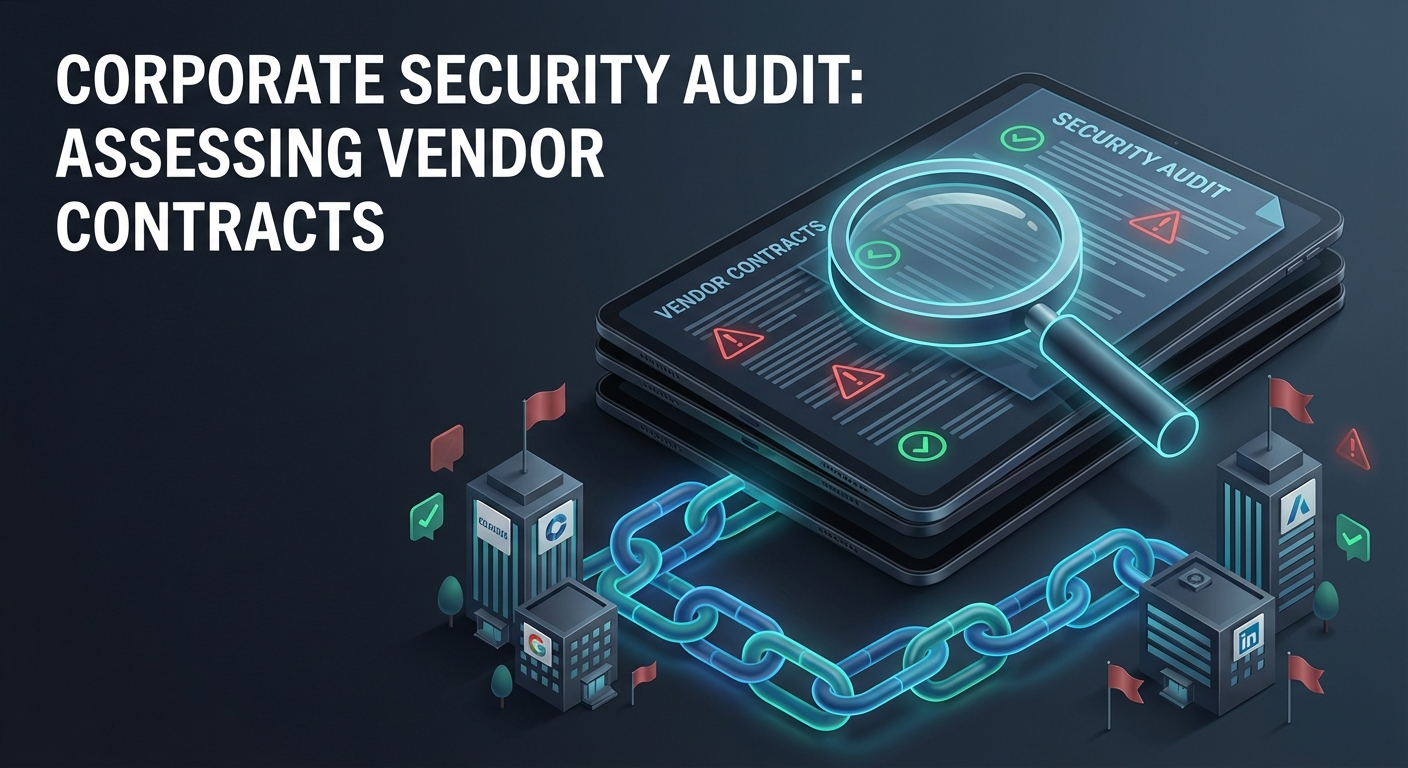
Step 4: Vendor Management
Your physical security vendors are now cyber risk sources:
Camera/Surveillance Vendors
- Require security certifications (SOC 2, ISO 27001)
- Demand regular firmware updates and patch management
- Verify no default credentials
- Confirm data encryption in transit and at rest
Access Control Vendors
- Review network architecture requirements
- Confirm secure credential storage
- Verify badge cloning resistance
- Assess cloud/on-premise security model
Environmental Control Vendors
- Require secure update mechanisms
- Verify authentication for administrative access
- Assess integration security with other systems
Third-Party Monitoring
- Review data handling practices
- Verify SOC capabilities for digital threats
- Confirm incident response integration
Step 5: Incident Response Integration
Your incident response plan should address converged scenarios:
Scenario: Surveillance System Compromise
- Isolate affected cameras from network
- Verify physical security through alternative means (guards, walk-throughs)
- Preserve digital evidence (logs, network captures)
- Assess scope of potential physical compromise
- Review footage integrity
- Notify regulators if required
Scenario: Access Control Breach
- Invalidate potentially compromised credentials
- Increase physical monitoring
- Audit recent access patterns for anomalies
- Preserve access logs as evidence
- Forensic analysis of access control system
- Review for physical security gaps exploited
Scenario: Environmental System Attack
- Switch to manual controls if possible
- Assess product impact
- Isolate environmental systems from network
- Preserve evidence
- Engage forensic specialists
- File insurance claims with documentation
Step 6: Training Convergence
Security awareness training should cover both domains:
For All Staff
- Recognize social engineering (physical and digital)
- Report suspicious activity (in person and online)
- Proper badge/credential handling
- Basic cyber hygiene
For Security Personnel
- Understanding network-connected security systems
- Recognizing signs of cyber compromise
- Digital evidence preservation
- Coordination with IT during incidents
For IT/Technical Staff
- Physical security system architecture
- OT/IoT security principles
- Physical access requirements during incidents
- Coordination with security during physical events
Compliance Intersection
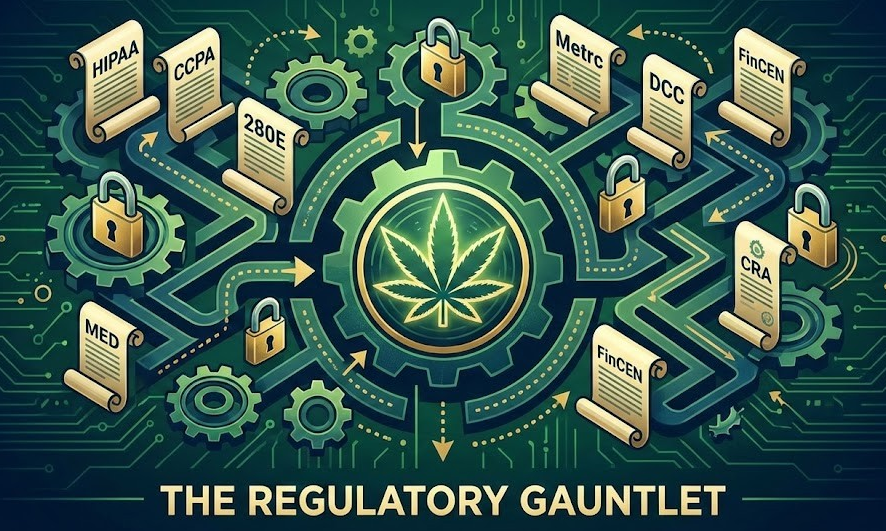
Cannabis regulations increasingly require both physical and digital security measures:
Metrc/BioTrack: Seed-to-sale systems must maintain data integrity—a cybersecurity requirement with physical security implications (who can access terminals?).
Video Surveillance: Regulations specify camera placement and retention—but don’t always address cyber-hardening of those systems.
Access Control: Restricted area requirements are physical—but implemented through digital systems.
Recordkeeping: Compliance data must be accurate, available, and protected—requiring both backup systems (cyber) and physical protection of servers/documents.
A converged approach ensures you meet the spirit of regulations, not just the letter.
Quick Wins: Start Here
If you’re just beginning convergence efforts, prioritize these immediate actions:
This Week
- Change default passwords on ALL cameras and access control systems
- Verify cameras and access control are on separate VLANs from business systems
- Document all network-connected physical security devices
This Month
- Apply available firmware updates to all security devices
- Review physical security vendor contracts for cybersecurity requirements
- Create unified asset inventory including IoT/OT devices
- Test camera system isolation—can you reach cameras from business network?
This Quarter
- Conduct converged risk assessment
- Implement network monitoring for security device traffic
- Update incident response plans for converged scenarios
- Begin vendor security review process
The Cost of Inaction
The Colorado dispensary that lost $500,000? They had invested significantly in physical security—reinforced doors, quality cameras, professional monitoring. But they treated those cameras as physical devices, not IT assets.
The cost of convergence—proper network segmentation, patch management, unified monitoring—would have been a fraction of their losses.
For cannabis operations, the equation is simple:
- Physical-only security = vulnerable to cyber attacks
- Cyber-only security = vulnerable to physical attacks
- Converged security = comprehensive protection
The threats have converged. Your security must too.
Converged Security Checklist
Network Architecture
- Security devices on dedicated VLANs
- No direct internet access for IoT/OT
- Firewall rules restrict cross-segment traffic
- Monitoring at segment boundaries
Device Hardening
- No default credentials anywhere
- Firmware up to date
- Unnecessary services disabled
- Encryption enabled where available
Monitoring
- Physical and digital events correlated
- Alerts for anomalous patterns
- 24/7 visibility into converged threats
- Regular review of detection rules
Vendors
- Security requirements in contracts
- Regular security assessments
- Incident notification requirements
- Access control for vendor personnel
Response
- Converged incident response plans
- Cross-trained personnel
- Regular tabletop exercises
- Evidence preservation procedures
Need help implementing converged security? Contact Canna Secure for a confidential assessment.